
Technical
Why correct roof ventilation matters
A continuous air path from eaves to ridge helps control moisture and supports the service life of the roof system.
Warm, moisture-laden air trapped beneath the roof covering can lead to condensation, deterioration of timber elements and reduced insulation performance. Correct ventilation moves that air out of the roof build-up in a controlled way.
In an effective system, air enters at the eaves, travels through an uninterrupted cavity beneath the covering and exits at the ridge or through dedicated outlets. Balanced inlet and outlet areas are essential, but so is keeping the air path clear of insulation and poorly positioned components.
Ventilation is not only about summer cooling. In winter it helps limit condensation caused by water vapour moving from the interior; in summer it reduces extreme temperatures beneath the covering. The structure, membranes and insulation can therefore operate in more stable conditions.
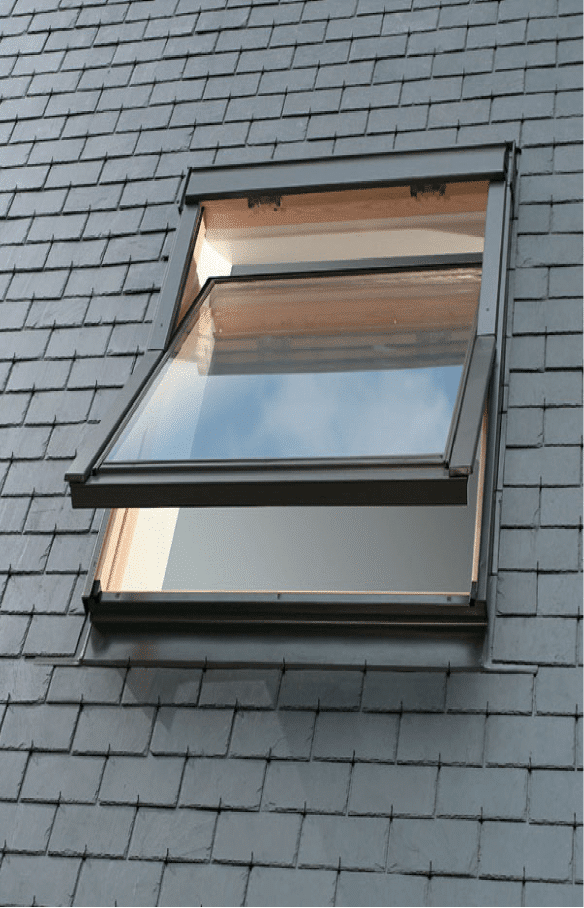
No single detail suits every roof. Pitch, ridge length, roof windows, valleys and changes in geometry must be considered. Before installation, prepare a ventilation plan that follows the roofing system manufacturer's technical guidance and uses compatible accessories.